Moving House With a Motorcycle: Ride It, Trailer It or Book Transport?
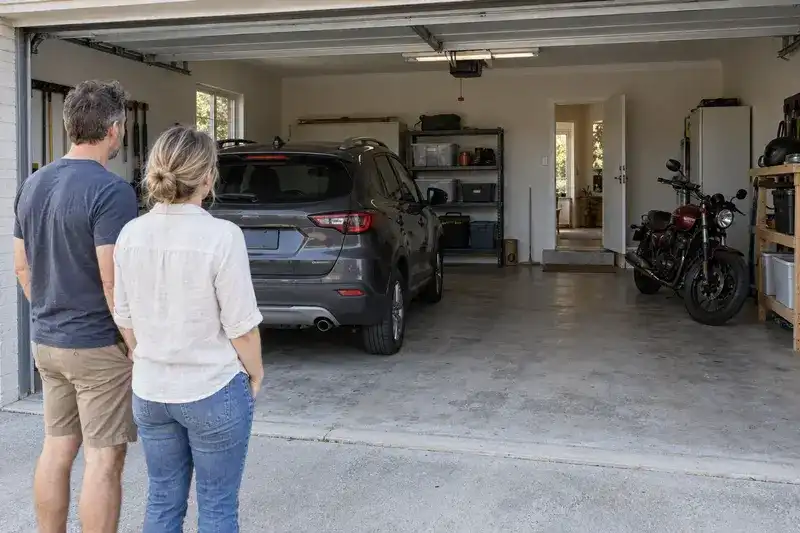
Moving house with a motorcycle comes down to three choices: ride it to the new home, carry it on a trailer or ute, or book a carrier to move it door to door. The right choice depends on distance, the bike's condition, your licence and how much else is happening on moving day.
Whichever option you pick, the bike needs its own small plan. That plan covers when it leaves the old garage, where it waits if keys are delayed, how it gets into the new garage, and which address records need updating once you arrive. Treat it as part of the property move, not an afterthought.
For a short move across town, riding the bike over the day before or after the removalist is often the simplest approach. Longer and interstate moves are different. A day in the saddle on top of packing, settlement and cleaning is a lot to ask, and a furniture truck is rarely set up to restrain a bike properly. Many owners in that position book motorcycle transport so the bike is collected from one address and delivered to the other while they deal with the house. The sections below walk through how to decide, and how to fit the bike around the buyer and seller timeline.
Should You Ride, Trailer or Book Door-to-Door Transport?
Each option suits a different kind of move. Compare them against your distance, your energy on the day and what the bike is worth to you.
Riding it yourself works best for local or short regional moves. It costs you little beyond fuel and time. The catch is coordination. Someone still has to get you back to the old house if you ride ahead, or you need to ride over after the truck leaves. Interstate, a long ride after a week of packing is a real fatigue risk, and weather can hold you up when the settlement date will not move.
Trailering or using a ute suits owners who already have the gear and have loaded a bike before. You need a suitable trailer or tray, a front wheel chock, a ramp rated for the bike's weight and quality soft-loop tie-downs. Two people make loading safer. The risk is that moving day already fills your car, trailer and patience. A trailer carrying a bike cannot also carry boxes, so plan for that.
Door-to-door transport separates the bike from the house move. A carrier collects the bike from the old address and delivers it to the new one, using restraints designed for motorcycles. This option suits interstate moves, valuable or modified bikes, owners without a trailer, and anyone who simply wants one less job on settlement day. Depot-to-depot services exist too, but they add trips at each end, which is often the last thing you want during a move.
A useful test: if moving the bike yourself would mean a second trip, a borrowed trailer or a very long ride, compare that effort with handing it to a carrier.
Why the Removalist Truck Is Usually the Wrong Place for a Bike
Removalists load furniture tightly to make the most of space. Boxes and furniture can shift against fairings, mirrors and levers during a long trip. Most removal trucks are not fitted with the wheel chocks and anchor points a bike needs. Some removalists will not take motorcycles at all, and those that do may arrange a separate carrier anyway. Ask directly before assuming the bike can go on the truck with everything else.
How to Time the Bike Around Settlement and the Removalist
Timing is where most motorcycle moves go wrong. The bike has to leave the old property before handover, but it cannot arrive at the new one before you have keys.
Selling: the bike must be gone by handover
When you sell, the buyer is usually entitled to vacant possession at settlement. That includes the garage. A bike left behind because the carrier is running late can become an awkward conversation with the buyer, the agent and your conveyancer.
The buyer also has a pre-settlement inspection, normally in the final days before settlement. If the garage still holds the bike, tools and fuel cans at that inspection, it can raise questions about whether everything will be cleared in time. Our guide to prepare your house for sale covers how presentation and practical order matter in the lead-up to handover. The same thinking applies to the garage.
Buying: you cannot deliver to a garage you do not control yet
On the purchase side, keys are normally released only after settlement completes. Settlement can be delayed by a few hours, or occasionally by days, for reasons outside your control. If a carrier arrives before you have keys, the bike has nowhere secure to go.
Practical ways to reduce that risk:
- Book collection from the old home a day or two before settlement, not on the day.
- Ask whether the carrier can hold the bike, or arrange a short stay with a friend, family member or storage facility near the new home.
- Schedule delivery for the day after settlement, or later, so a late key handover does not leave the driver waiting.
- Give the carrier a backup contact in case you are tied up with the removalist.
Fitting it around the removalist
Avoid having the bike collected while the removalist is loading. Both need the driveway, and a truck reversing in while someone wheels a bike out is a recipe for scratched paint or worse. Ask for the bike pickup either before the removalist arrives or after they leave. At the new home, a similar rule applies. Let the furniture go in first if the bike will live in the garage, so boxes are not stacked around it.
Check Garage and Street Access at Both Homes
A carrier needs to reach the bike and load it safely. Access problems are easy to miss when you are focused on the house itself.
At the old home, check the driveway slope, any gate width, overhead clearance for a carport, and whether a truck can stop nearby without blocking traffic. Apartment and townhouse owners should check basement car park rules, height limits and whether the body corporate needs notice for a vehicle movement.
At the new home, the questions are similar but you may not know the answers yet. This is where a buyer's inspection notes earn their keep. If you used a garage viewing brief during your search, you already have a record of the garage door width, the step into the space and the route from the street. If you did not, ask the selling agent or use your pre-settlement inspection to check:
- Whether the garage door opens fully and works reliably.
- Whether the floor is level enough to park safely on a side stand.
- Whether there is a power point for a battery tender.
- How far a truck can get, given narrow streets, cul-de-sacs or tight bends.
- Whether the strata rules allow motorcycles in a particular bay.
Tell the carrier about any tight spots before the day. A clear note about a steep driveway or a locked boom gate saves time and avoids a failed pickup.
How to Prepare a Motorcycle for the Move
Preparation protects the bike and gives you a clear record of its condition before it leaves your hands. Follow these steps a day or two before collection:
- Wash the bike. Dirt hides scratches. A clean bike makes the condition check accurate at both ends.
- Photograph every side. Take dated photos of the tank, fairings, exhaust, levers and any existing marks. Note the odometer reading.
- Lower the fuel level. Many carriers ask for a low level, often around a quarter of a tank. Confirm what your carrier wants.
- Check tyre pressures. Correct pressures help the bike sit properly against the restraints.
- Remove loose items. Take off panniers, top boxes, tank bags, GPS units and anything that can rattle loose. Carriers often cannot carry belongings with the bike.
- Fold or secure mirrors. Wide mirrors are vulnerable when bikes are loaded close together.
- Deal with alarms and trackers. Switch them off or set a transport mode so they do not drain the battery or send false alerts.
- Fix leaks. A bike that drips oil can mark other vehicles and the truck deck.
- Note anchor points. If the bike has delicate fairings or aftermarket bars, tell the driver where it is safe to strap.
Keep the keys, a spare key and the registration papers with you, not packed in a box on the removalist truck.
Update Registration, Licence and Insurance Addresses
Changing house means changing records, and the motorcycle adds a few more than most people expect.
Moving within Victoria
VicRoads asks you to update your address within 14 days of moving. That covers both your licence and the bike's registration. VicRoads records more than one address type, including where the vehicle is garaged, so check that the garage address is correct as well as your residential and postal details. Mail sent to an old address, including toll notices and fines, can still be treated as delivered.
Moving interstate
Interstate moves bring tighter rules, and each state sets its own. In Queensland, the state government says you have 14 days to register your vehicle in Queensland once it is garaged there, and you need a current Queensland safety certificate as part of the process. The same page says to move to a Queensland licence within three months.
In New South Wales, Service NSW says you can only drive in NSW on an interstate licence for 3 months before you need to transfer it. Registering an interstate vehicle in NSW also involves an inspection and compulsory third party insurance before the first registration.
Check the exact rules for your destination state before you move. Motorcycle licence classes do not always map neatly between states, so confirm your class will carry across, especially if you hold a restricted or learner rider licence.
Insurance
Call your insurer before the bike moves, not after. Your premium can change with the new garaging address, and the policy needs to show where the bike is kept. Ask two specific questions:
- Is the bike covered while it is in a carrier's care, or does the carrier's own transit cover apply?
- Does the policy continue without change once the bike is garaged in a new state?
Ask the carrier the same question about their cover, and get the answers in writing. Read the product disclosure statement rather than relying on a phone summary.
Fold the Bike Into Your Property Moving Checklist
Buyers and sellers already juggle finance, contracts, inspections and removalists. The bike only adds a handful of tasks, but they slot into specific points on that timeline. If you are working through a first home buyer checklist, add these motorcycle items beside the existing steps:
| Stage | Motorcycle task |
|---|---|
| During property inspections | Check garage width, access, slope and power |
| Contract signed | Decide: ride, trailer or carrier |
| Settlement date confirmed | Book collection and delivery dates |
| Two weeks out | Call insurer about the new garaging address |
| Pre-settlement inspection | Confirm garage access at the new home |
| Day before handover | Bike collected from the old home |
| After keys are released | Bike delivered to the new garage |
| Within 14 days of moving | Update licence and registration records |
The table keeps the bike visible without letting it crowd out the bigger property decisions. It also stops the classic mistake of leaving the bike in a garage that legally belongs to someone else.
Common mistakes to avoid
- Booking delivery for settlement morning, then waiting for keys that arrive late.
- Leaving the bike for the removalist to "sort out" on the day.
- Forgetting the garage address on the registration record.
- Packing the spare key or registration papers in a box.
- Not telling the carrier about steep driveways, narrow lanes or apartment car park rules.
Moving the Bike Without Adding Stress to Settlement
A motorcycle is easy to overlook during a house move until it becomes the last thing in an empty garage. Decide early how it will travel, then set its dates around handover and key release rather than around the removalist alone. Check access at both ends, prepare the bike properly, and update your address records and insurance before small oversights turn into fines or gaps in cover.
If you are buying or selling and want more practical guidance on timing a move around settlement, learn more about Buyers Agent Australia and the support we offer property buyers.

Sophie Langley
Sophie Langley is a seasoned property expert and licensed buyers agent with over a decade of experience in the Australian real estate market. She is passionate about empowering homebuyers and investors with the knowledge and tools they need to make informed property decisions. With a keen eye for market trends and a deep understanding of negotiation strategies, Sophie offers unparalleled guidance to clients navigating the complexities of property transactions.
Popular Posts
Moving House With a Motorcycle: Ride It, Trailer It or Book Transport?
![Garage at a new home ready for vehicles and a motorcycle after moving house]() Moving house with a motorcycle comes down to three choices: ride it to the new home, carry it on a t
 Moving house with a motorcycle comes down to three choices: ride it to the new home, carry it on a t
Garage Viewing Brief: Match the Space to Your Household
![Couple looking into a suburban garage with a grey SUV, a burgundy motorcycle and storage shelves]() A garage viewing brief describes what your household needs the space to do before you visit a proper
A garage viewing brief describes what your household needs the space to do before you visit a proper
How Presentation Influences Buyers at the First Inspection
![]() The first inspection gives buyers a fast sense of scale, condition and potential. Good presentation
 The first inspection gives buyers a fast sense of scale, condition and potential. Good presentation
Selling After Buying: The Practical Presentation Plan Before Your First Open Home
![]() If you have already bought your next property, preparing the home you are selling becomes a prioriti
 If you have already bought your next property, preparing the home you are selling becomes a prioriti
